


- Admin
- Jan 26, 2026
- Local Business Success Stories
Shaimaa Hilal Fulfills Her Childhood Dream
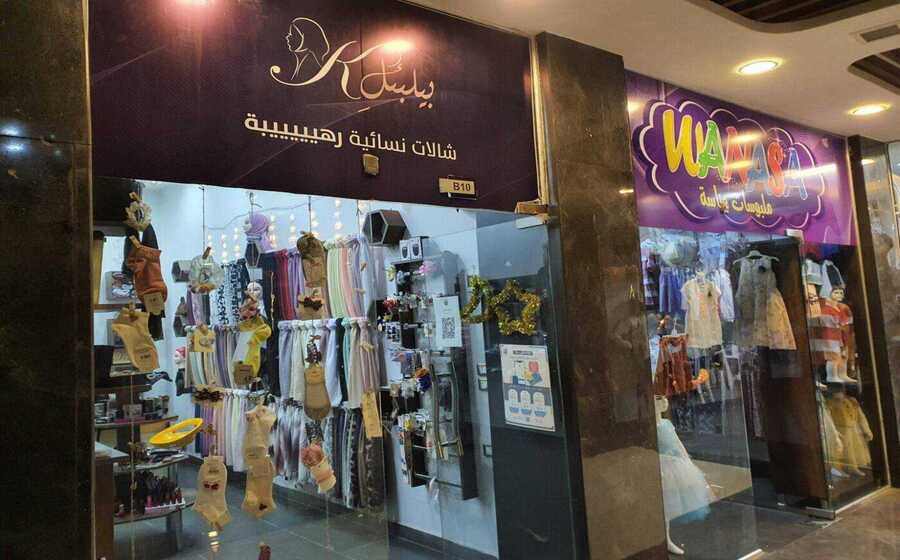
Shaimaa Hilal, 30 years old, opened her store “Bilba’lak” (“It Suits You”), a women’s accessories shop, in Azaz city, northern Aleppo, two years ago. Hilal was displaced from the city of Saraqib in Idlib at the beginning of 2020 and started her store with a small grant due to her limited resources.
Her small project, “Bilba’lak”, in Azaz, grew out of her childhood interests. She says: “Since I was little, I have been passionate about fashion and women’s accessories.” After a year of her family settling in Azaz, she opened her store, which “gained wide popularity among customers.”
Facing Challenges
In addition to the challenges women face in northwest Syria, Hilal struggles with mobility due to the “absence of the thigh bone in my right leg since birth,” she explained. Nevertheless, she lives her life as she wishes.
Hilal said: “I adapted to life with one leg, thanks to the support and encouragement of my family since childhood. I lack nothing because I have my crutches—they are my companion and source of support.”
Shaimaa Hilal arranges women’s headscarves in her store in Azaz.
When Hilal was displaced to Azaz, she worked with volunteer teams to assist other displaced people. During this period, she also enrolled in the Faculty of Special Education at Aleppo Free University while simultaneously planning to start her own business.
At the beginning, her project faced some difficulties, including securing funding and reaching potential customers. However, she said: “By utilizing social media and offering new products specifically designed to meet the needs of the local market, my store became a preferred destination for women looking for accessories,” emphasizing that “perseverance is the key to success.”
Hilal faces her own unique challenges, including “the instability of the Turkish Lira exchange rate [the main currency in northwest Syria] against the dollar.” She also struggles with “the low purchasing power of the local population,” which includes more than two million internally displaced people out of a total population of six million.
She stated that her business “sometimes faces shortages of imported raw materials needed for manufacturing, with no local alternatives available,” pointing to the “absence of effective government policies to protect local products.”
Share on